
Jackery and Every Electric launch plug-in battery VPP for renters
First North American plug-in VPP uses standard wall outlets, no electrician needed for renters.
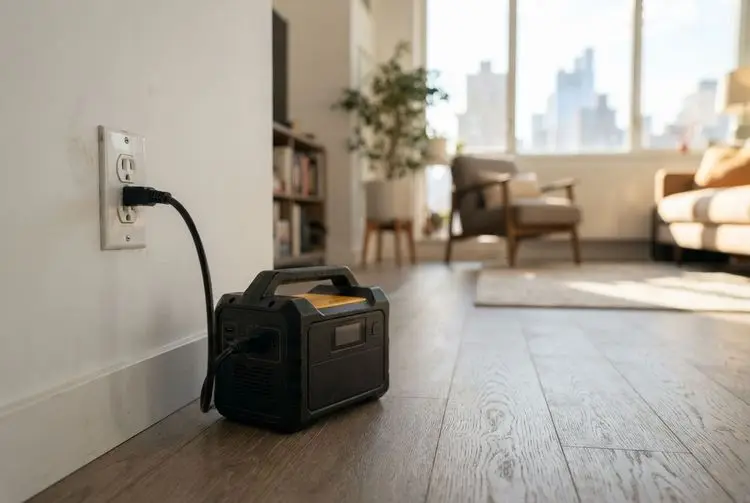
Jackery and Every Electric have partnered to launch what they call the first plug-in battery virtual power plant (VPP) for renters in North America. The program uses portable power stations that connect through standard wall outlets, requiring no electrician, permits or landlord agreements.
Approximately 2,000 portable power stations are now deployed across more than 1,000 households in Consolidated Edison (Con Edison) territory in New York City. The program has been running since September and represents 4 MWh of flexible storage capacity. Nearly 50 MWh of energy has been cycled through the units to date.
How the plug-in VPP works
Participants register online, link their utility account and plug in the battery unit. Cloud software from Every Electric automates charging during off-peak hours and discharging during peak demand periods. The system requires no permanent installation, making it accessible to renters and multifamily residents who cannot install rooftop solar or permanent storage.
Andrew Wang, co-founder and CEO of Every Electric, said the model addresses a structural gap in the residential energy market. "Traditional solar and storage require a roof, a garage or a permanent professional installation, which leaves renters and multifamily residents out," Wang said.
Two participation options
Every Electric offers two main ways to join the VPP. Under the first option, the company retains ownership of the battery. Participants pay a $30 refundable security deposit and receive $100 to $150 per year per AC unit in payouts. Under the second option, households purchase a Jackery Explorer 2000 v2 portable power station for $650, discounted from the standard $999 retail price. Purchasers receive up to $250 per year per AC unit in payouts.
The purchase option also cross-subsidizes a free unit for a neighbor, Every Electric said. Total payouts to participants are approaching $200,000.
A third option allows participants to bring their own battery from other brands, including EcoFlow and Bluetti.
Market context and waitlist
The plug-in VPP model mirrors similar developments in Europe, where balcony solar systems paired with plug-in storage have gained traction in markets such as Germany and Austria. Every Electric generates revenue through Con Edison's Smart Usage program, which compensates distributed energy resources for grid support.
Demand for the program appears strong. More than 15,000 AC units are on the waitlist for future enrollment, suggesting significant unmet interest among renters and apartment dwellers.
RE+ 2026 presence
Both companies are exhibiting at RE+ 2026 in Las Vegas, running November 17-19. Jackery is also showing its Explorer 5000 Plus at the event. The partnership and the VPP program are expected to be a focus of discussions around expanding grid services to previously underserved customer segments.
Wang said the program's design allows any household with a wall outlet to participate in grid services. "With Every Electric, adding grid services capabilities lets any household with a wall outlet earn on their bills while supporting the broader electrical infrastructure," he said.
What it means for the industry
For solar and storage professionals, the Jackery-Every Electric model represents a potential new channel for distributed energy resources. Renters and multifamily residents make up a large share of U.S. households but have historically been excluded from behind-the-meter programs that require rooftop access or permanent wiring.
If the Con Edison pilot scales beyond its current 1,000-plus households, plug-in VPPs could become a complementary offering alongside traditional solar-plus-storage installations. The 15,000-unit waitlist suggests that customer demand is not the bottleneck — the question is whether utilities and regulators will expand the program structures needed to support plug-in storage at scale.
Investors and installers should watch how Con Edison values the 4 MWh of flexible capacity already deployed and whether other utilities adopt similar tariff structures for plug-in batteries. The program's reliance on standard 120V outlets and cloud-based orchestration keeps upfront costs low, but long-term economics will depend on sustained utility compensation for the grid services delivered.