
Solar cyber risk becomes procurement and bankability issue for developers
Inverters are key cyber entry points, and procurement choices now affect tax credits and financing.
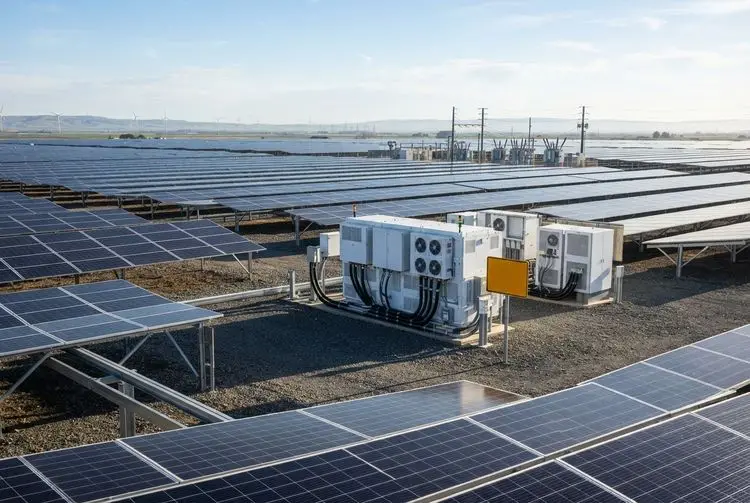
Solar project developers face a new layer of complexity in procurement: cybersecurity risk that directly affects bankability, tax credit eligibility and long-term asset resilience. Inverters, the digital backbone of every utility-scale PV plant, have emerged as the primary cyber entry points, according to the U.S. Department of Energy.
The issue has moved from a technical concern to a financial and regulatory one. The Federal Communications Commission (FCC) has added foreign-produced power inverters to its Covered List, while the Internal Revenue Service (IRS) has introduced new tax rules that limit credits for projects involving prohibited foreign entities. Equipment origin now directly affects tax-credit calculations.
Two regulatory frameworks, one problem
The FCC Covered List and the IRS tax rules are two separate regulatory frameworks, but they converge on the same point: solar developers must know where their equipment comes from and who controls its software. Equipment origin alone does not equal security or compliance, however. A component manufactured outside prohibited jurisdictions can still carry software vulnerabilities or remote-access risks.
Alejandro Iza, a solar industry expert, said the procurement phase is where these risks must be addressed. "Cybersecurity and supply-chain exposure can't wait until commissioning," Iza said. "Procurement decisions are resilience decisions for the asset's life."
A utility-scale PV plant contains hundreds of inverters, each with remote access capabilities, embedded software and data-handling functions. Those digital dependencies create long-term commitments that last the full asset lifespan of 20 or 30 years. Switching equipment becomes significantly more expensive after construction is complete, making initial procurement choices critical.
Bankability and lender confidence
Digital dependency affects bankability and lender confidence. Financial institutions evaluating project risk now look beyond hardware specifications to software architecture, data ownership and remote-access protocols. Developers need specific answers from suppliers before signing contracts, covering who controls the software, how data is handled and what happens if a vendor changes its security posture mid-project.
Independent assurance providers such as DNV can assess architecture and risks, offering a third-party review that lenders may require. However, a cybersecurity review does not automatically establish FCC compliance or confirm that a project avoids prohibited foreign entities under IRS rules. Developers must pursue both tracks separately.
Key risk areas in procurement
The critical risk areas fall into three categories: remote access, software dependencies and data ownership. Inverters with internet connectivity or cloud-based management platforms create potential entry points for malicious actors. Software updates, patch management and firmware control are often in the hands of the manufacturer, creating a dependency that lasts decades.
Data ownership is another emerging concern. Inverter-level operational data can reveal plant performance, grid interaction patterns and maintenance schedules. Developers must clarify in procurement contracts who owns that data and how it can be used.
One strategy to reduce OEM dependency is the use of independent supervisory control and data acquisition (SCADA) systems and power plant controllers (PPC). By decoupling plant-level control from inverter-specific software, developers retain more flexibility to switch hardware or software providers over the asset's life.
What developers should ask now
Procurement teams need to ask specific questions before signing equipment agreements. These include: Is the inverter or its components on the FCC Covered List? Does the manufacturer have ties to foreign entities that could trigger IRS tax-credit limitations? Who controls remote access and software updates? What happens to data collected by the inverter? Can the plant operate independently of the manufacturer's cloud platform?
The answers to those questions affect not only security but also project economics. A tax-credit shortfall or a compliance failure can reduce project returns significantly. As the regulatory landscape continues to evolve, procurement decisions made today will shape asset resilience for the next two to three decades.