
Solar Industry Faces Grid Integration Challenges Amid Rapid Growth
Grid bottlenecks threaten to slow solar deployment as project pipelines swell worldwide.
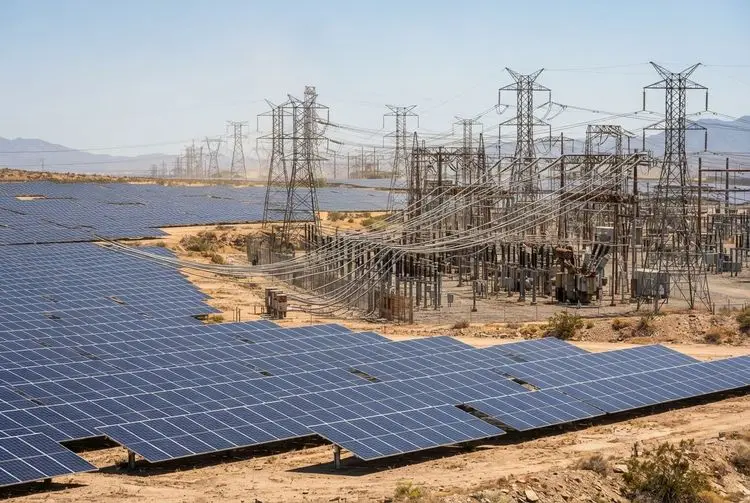
The global solar industry is confronting a mounting challenge that threatens to undermine its rapid expansion: grid integration. As photovoltaic installations surge to record levels across major markets, the infrastructure needed to connect and transmit that power is struggling to keep pace.
Project developers and grid operators alike are reporting growing delays in interconnection queues, with some projects facing wait times of several years before they can begin delivering electricity to the grid. The bottleneck has become one of the most significant non-technical barriers to solar deployment.
Interconnection Queues Lengthen
Data from multiple markets shows interconnection queues swelling to unprecedented levels. In the United States alone, projects representing hundreds of gigawatts of capacity are awaiting grid connection studies. The backlog has created uncertainty for developers who must commit capital years before they can expect to see a return.
Europe faces similar pressures. The continent's push to accelerate renewable energy deployment under the REPowerEU plan has collided with grid infrastructure that was designed for a different era of centralized, fossil-fuel generation. Grid operators are racing to upgrade transmission lines and substations, but the pace of investment has not matched the speed of solar additions.
Australia's National Electricity Market provides another case study. Rooftop solar penetration in some regions has reached levels where grid operators must occasionally curtail output to maintain system stability. The situation highlights the need for smarter inverter technology and better coordination between distributed generation and grid operations.
Storage as a Grid Solution
Battery energy storage systems are emerging as a critical tool for alleviating grid constraints. By pairing solar projects with storage, developers can shift output to times when the grid has available capacity, reducing curtailment and improving project economics.
The cost of lithium-ion battery storage has fallen dramatically over the past decade, making solar-plus-storage projects increasingly viable. In many markets, the levelized cost of energy for combined solar and storage systems is now competitive with gas-fired peaker plants.
However, regulatory frameworks in many jurisdictions have not kept pace with the technological shift. Market rules designed for dispatchable generation often fail to account for the unique characteristics of storage, including its ability to charge from the grid as well as discharge to it.
Policy Responses Emerging
Governments are beginning to respond to the grid integration challenge. Several US states have enacted reforms to interconnection processes, including firm deadlines for queue processing and increased transparency around study results. The Federal Energy Regulatory Commission has also proposed rule changes aimed at speeding interconnection.
In Europe, the European Commission has identified grid investment as a priority under its energy transition strategy. Member states are being encouraged to streamline permitting for grid upgrades and to adopt digital tools that can optimize the use of existing infrastructure.
India, one of the fastest-growing solar markets globally, is investing heavily in transmission infrastructure to connect its vast solar parks in the desert states to demand centers in the north and west. The country's Green Energy Corridor project represents one of the largest grid modernization efforts anywhere in the world.
Implications for Solar Professionals
For solar industry professionals, the grid integration challenge presents both risks and opportunities. Developers must factor interconnection timelines into their project planning and budget for potential curtailment. Installers of rooftop systems should be aware of local grid capacity constraints that could affect system sizing and payback periods.
Investors evaluating solar projects need to scrutinize interconnection risk as carefully as they assess resource quality and equipment costs. Projects with firm interconnection agreements and access to storage are likely to command premium valuations.
The message from grid operators is clear: the solar industry cannot take grid access for granted. As deployment continues to accelerate, the industry must engage proactively with regulators, utilities and grid operators to ensure that the infrastructure is in place to support the clean energy transition.