
Sodium-ion batteries approach cost parity with LFP by late 2026
Supply agreements exceeding 70 GWh signal sodium-ion's commercial breakthrough in stationary storage.
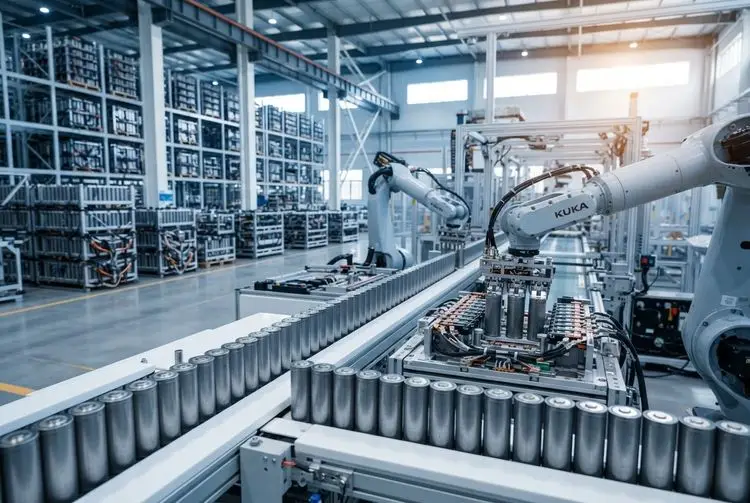
Sodium-ion batteries are entering commercial production phase and are on track to reach cell-level cost parity with lithium iron phosphate (LFP) by late 2026, according to a new analysis by Wood Mackenzie. The technology, long viewed as a promising alternative to lithium-based storage, is now backed by supply agreements totaling more than 70 GWh globally.
China is leading the commercialization push. BYD plans 30 GWh of sodium-ion manufacturing capacity, while CATL aims to ship more than 1 GWh of sodium-ion cells by the end of 2026. The learning rate for sodium-ion production in China is projected at 18 to 20 percent between 2026 and 2035, which analysts expect to drive costs down rapidly.
Currently, the global average cost for sodium-ion batteries stands at $229 per kWh, compared to roughly $200 per kWh for LFP. While sodium-ion remains more expensive at the cell level today, the gap is narrowing. Wood Mackenzie expects cell-level cost parity with LFP by late 2026. However, module and system-level parity is not anticipated until after 2030.
Cost advantages beyond the cell
Despite higher upfront costs, sodium-ion batteries offer a 21 percent lower total cost of ownership (TCO) over 20 years compared to LFP. This advantage stems from several factors: longer service life, wider operating temperature range, and superior performance in cold climates. Sodium-ion cells require less thermal management than lithium-based batteries, making them particularly suitable for cold-climate applications where lithium batteries need active heating.
Raw material supply security is another key driver. Sodium is abundant and widely available, reducing exposure to lithium price volatility and supply chain bottlenecks. For stationary storage applications, where weight and energy density are less critical than for electric vehicles, sodium-ion is emerging as the most promising alternative to lithium.
Policy tailwinds across major markets
Government policies in several key markets are accelerating sodium-ion adoption. China has exempted sodium-ion batteries from its consumption tax until the end of 2028. Meanwhile, the country reintroduced a lithium-ion consumption tax in July 2026, with a 2 percent levy on LFP cells taking effect in September 2026, rising to 4 percent in September 2027. This differential treatment directly improves sodium-ion's competitive position in the world's largest battery market.
In the United States, the Inflation Reduction Act's Section 45X tax credits encourage domestic manufacturing of battery components, including sodium-ion cells. US tariffs on Chinese energy storage cells stand at approximately 58 percent, which may reshape supply dynamics and incentivize local production.
The European Union's Battery Regulation, with its carbon footprint disclosure requirements, also favors sodium-ion technology. Sodium-ion production typically generates lower emissions than lithium-based alternatives, giving it a compliance advantage in the European market.
India has introduced a $1.25 billion incentive program for battery manufacturing, alongside tariff exemptions for sodium-ion imports. The country is in early validation stages for sodium-ion technology, with supply agreements still developing.
The decisive decade ahead
Planned manufacturing capacity for sodium-ion currently exceeds demand, a situation typical for emerging battery technologies. The 2030 to 2035 period will be decisive for the technology's economic competitiveness, according to Wood Mackenzie. If learning rates hold at 18 to 20 percent and production scales as planned, sodium-ion could become a mainstream option for stationary storage.
For now, LFP remains the most mature and cost-effective option for two- to four-hour storage projects. Sodium-ion's path to system-level cost parity will require continued scaling, manufacturing improvements, and further policy support. The supply agreements already in place across China, the United States, and Europe indicate that major industry players are betting on sodium-ion's long-term viability.
Investors and project developers should watch the 2026-2027 period closely. Cell-level cost parity with LFP, expected by late 2026, would mark a significant milestone. If module and system costs follow a similar trajectory after 2030, sodium-ion could capture a substantial share of the growing stationary storage market, particularly in regions with cold climates or strong policy incentives for supply chain diversification.