
Solar Energy in 2026: 5 Million U.S. Installations and Counting
With over 5 million U.S. installations, solar power offers clear savings but faces new policy hurdles.
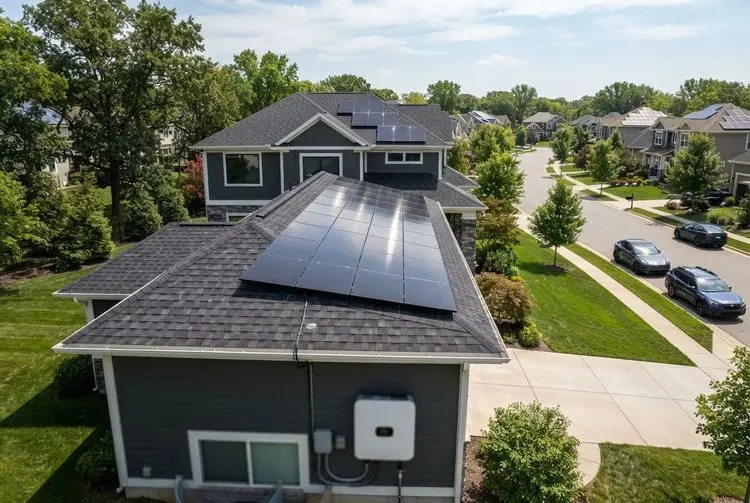
The U.S. solar industry passed a significant milestone in 2026, with over 5 million installations now operational nationwide. The figure reflects a market that has matured dramatically since 2010, when solar was still a niche technology for early adopters.
SolarReviews, a consumer research platform, compiled a detailed pros-and-cons assessment of residential solar as of 2026. The analysis draws on data from more than 400 Zillow-listed homes and industry pricing benchmarks to give homeowners and installers a clear picture of where the market stands.
The financial case for solar
For homeowners, the most tangible benefit remains lower electricity bills. Solar reduces annual electricity costs by an average of $1,500 per year, according to SolarReviews. Over a panel's minimum 25-year lifespan, that adds up to $37,500 in savings before accounting for inflation or rising utility rates.
Property values also benefit. Homes with solar panels sell for 6.9% more than comparable homes without them, based on the Zillow analysis of 400 properties. That premium can offset a significant portion of the initial investment.
Technology improvements have driven costs down sharply. Solar panels are now 60% cheaper than they were in 2010, and they are 40% more efficient. Average panel efficiency has climbed from roughly 15% in 2010 to between 20% and 23% today. The cost per watt has fallen from $8.66 in 2010 to $3.03 in 2026.
Upfront costs and payback
Despite the price declines, the average upfront cost of a residential solar system remains $21,600 before incentives. That figure places solar out of reach for many households without financing or state-level support.
The typical payback period ranges from 9 to 12 years. For homeowners who plan to stay in their homes for at least a decade, the math generally works in their favor. Those planning to move sooner may still benefit from the property value premium.
One major change in 2026: the federal solar investment tax credit (ITC), which previously covered 30% of system costs, is no longer available. That removes a significant financial incentive that had helped drive adoption in prior years. Homeowners now must rely on state rebates, Solar Renewable Energy Credits (SRECs), and local incentives to reduce their net cost.
Operational advantages
Solar panels require little maintenance. They have no moving parts, and rain typically provides sufficient cleaning. That low upkeep burden is a key selling point for homeowners accustomed to maintaining other mechanical systems.
Solar also reduces reliance on foreign oil and the broader fossil fuel grid. For homeowners in areas with frequent outages or high electricity rates, the energy independence argument carries weight.
Limitations and trade-offs
Solar is inherently intermittent and weather-dependent. Panels generate no power at night and reduced output on cloudy days. Without battery storage, homes remain connected to the grid for backup power.
Not every home is suitable for solar. Roof orientation, shading from trees or neighboring buildings, and structural condition all affect feasibility. Renters and multi-family residents also have limited access to rooftop solar.
The environmental footprint of solar is not zero. Manufacturing panels and constructing large installations require energy, raw materials, and land. These impacts are lower than fossil fuel alternatives over the full lifecycle, but they are not negligible.
Local policy plays a major role in determining whether solar makes financial sense. Net metering rules, interconnection fees, and permitting processes vary widely by state and utility. In some markets, policy changes have eroded the value of exported solar power.
Homeowners may also face higher property taxes after installing solar, depending on local assessment practices, and some insurers have adjusted premiums for homes with rooftop systems.
What it means for the industry
The 5-million-installation milestone confirms that solar has become a mainstream energy choice in the U.S. The combination of lower hardware costs, higher efficiency, and proven property value benefits continues to drive adoption.
However, the expiration of the 30% federal tax credit removes a powerful demand driver. Installers and investors will need to watch state-level policy closely, as SRECs, rebates, and net metering rules increasingly determine the economics of each project.
For engaged homeowners, the key takeaway is that solar remains a sound long-term investment for suitable properties, but the financial case now depends more than ever on local conditions and available incentives.