
Connecticut orders flexible interconnection for solar and storage
PURA requires Eversource and UI to offer scheduled and dynamic flexible interconnection by 2028.
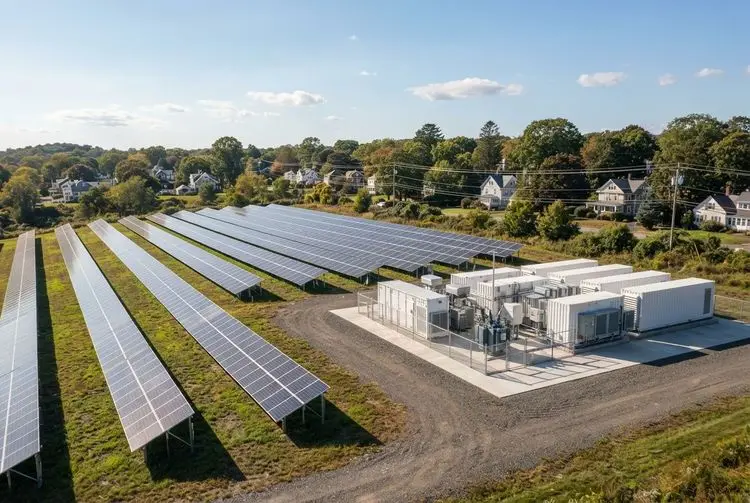
Connecticut regulators have ordered the state's two major investor-owned utilities to offer flexible interconnection for solar and storage projects, a move that could significantly reduce interconnection wait times and costs for distributed energy resources.
The Connecticut Public Utilities Regulatory Authority (PURA) issued its final decision in docket 25-01-27 on November 4, requiring Eversource and United Illuminating to implement scheduled flexible interconnection on constrained circuits by May 2028. Dynamic flexible interconnection at constrained substations must also be available by the same deadline, with a statewide rollout required by late 2030.
The order marks a major victory for the Connecticut Solar & Storage Association, which started an interconnection working group five years ago and has pushed for flexible interconnection rules ever since.
What flexible interconnection means
Flexible interconnection allows solar and storage projects to export variable amounts of power to the grid based on available hosting capacity, rather than being limited to a fixed export level. Scheduled flexible interconnection, pioneered in California, uses forecasted hosting capacity to determine export limits in advance. Dynamic flexible interconnection goes a step further, using real-time system conditions to set export limits.
Dynamic flexible interconnection requires an Advanced Distribution Management System (ADMS) and a grid-scale Distributed Energy Resource Management System (DERMS). The utilities had argued that projects would need to wait two to four years for DERMS deployment before flexible interconnection could be offered. The Connecticut Solar & Storage Association pushed back against that timeline.
Commissioner David Arconti said the decision enables faster interconnection, better utility utilization of the grid, and customer savings.
Protecting project viability
The order establishes project vintages with maximum curtailment targets. Projects in the first vintage have a target of no more than 5% annual MWh curtailment. The curtailment target serves as the basis for the vintage classification, not a guarantee or hard limit.
Mike Trahan, executive director of the Connecticut Solar & Storage Association, identified "three big threats to project viability: time-to-interconnection, project-level capital expenditure, and revenue loss from over-curtailment." He warned that without protections, these factors could "put private capital, site control leases, and federal investment tax credits at risk."
Trahan also noted that "the first to commit a project need protection from curtailment creep that can happen as more solar or storage projects connect to the same substation."
The order also requires utilities to create conversion provisions that allow projects to move between different interconnection types as grid conditions and technology evolve.
National context and projected savings
Connecticut joins at least seven other states that require or are considering flexible interconnection policies. The approach has drawn increasing attention as distributed solar and storage deployment accelerates and grid congestion becomes a bottleneck for new projects.
A study by The Brattle Group projected that nationwide adoption of flexible interconnection could save $39 billion through 2050, primarily by avoiding costly grid upgrades and reducing project delays.
For solar industry professionals and investors, the Connecticut order establishes a regulatory framework that could serve as a template for other states. The phased approach — scheduled flexible interconnection first, then dynamic — gives utilities time to deploy the necessary ADMS and DERMS infrastructure while allowing projects to interconnect sooner than under traditional rules.
The 5% curtailment target for first-vintage projects provides a benchmark for project developers to assess revenue risk, though the non-binding nature of the target means actual curtailment levels could vary depending on how many projects connect to the same circuit.
Installers and developers in Connecticut should watch for the utilities' implementation plans and the specific conversion provisions between interconnection types, which will determine how projects can adapt as the state moves toward full dynamic flexible interconnection by late 2030.