
Solar roundup: Permitting reform, Silfab restart, sodium-ion and tandem modules
Permitting reform push, Silfab restart, sodium-ion cost parity and 27%+ tandem modules mark the week.
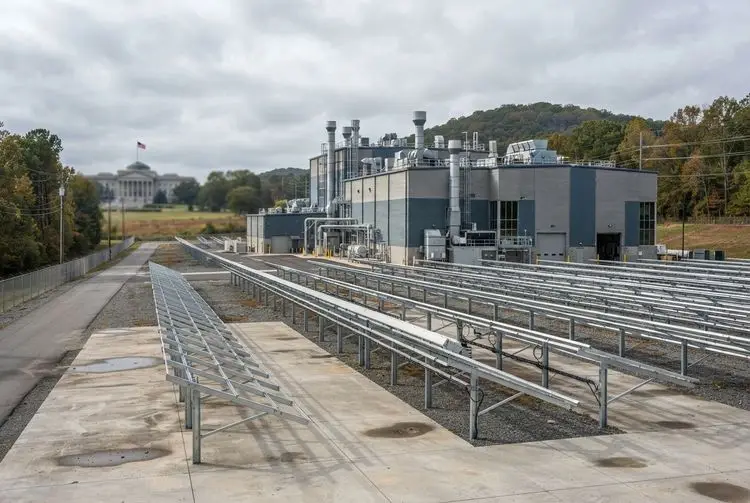
A busy week across the solar industry brought news on permitting reform, manufacturing restarts, battery chemistry shifts and next-generation module technology. Analysts are also weighing the implications of the midterm elections, which created a Democratic sweep, for tax credit policy and the Section 45X extension pathways now under consideration.
Permitting reform push gains momentum
More than 300 solar and storage companies have urged bipartisan permitting reform, arguing that current delays are holding back an estimated $120 billion in delayed clean energy investments. The Solar Energy Industries Association (SEIA) says permitting reform could unlock those investments, which have been stalled by lengthy federal and state approval processes.
The push comes as the industry faces growing grid interconnection queues and project development timelines that stretch years beyond initial planning. Industry professionals are watching whether the post-midterm political landscape creates new openings for legislative action on permitting.
Silfab restarts chemical operations after eight-month pause
Silfab Solar has restarted chemical operations at its Fort Mill, South Carolina plant after an eight-month pause triggered by back-to-back chemical leaks. The restart follows a multi-agency federal and state investigation into the incidents.
The company had halted chemical processing at the facility while regulators examined the leaks and required corrective measures. The restart marks a significant step for Silfab's domestic manufacturing operations, which serve the growing U.S. market for locally produced solar modules.
Sodium-ion batteries near cost parity with LFP
Wood Mackenzie has published analysis showing that sodium-ion batteries are approaching cost parity with lithium iron phosphate (LFP) batteries. The research firm notes that supply agreements exceeding 70 GWh worldwide have already been signed for sodium-ion technology.
Over a 20-year total cost of ownership analysis, sodium-ion batteries show a 21% lower total cost compared to LFP. For solar-plus-storage project developers, this could shift procurement strategies as sodium-ion offers a lithium-free chemistry with potentially lower material price volatility and improved supply chain security.
The Foreign Entity of Concern rules under the Inflation Reduction Act add another dimension, as developers evaluate which battery chemistries and supply chains comply with domestic content and sourcing requirements.
Heliene announces perovskite tandem modules using Caelux glass
Heliene has announced perovskite tandem solar modules that will use glass supplied by Caelux. The modules target efficiency of 27% or greater, with a roadmap to 29% efficiency by 2028.
The tandem modules are expected to be available for shipment in 2027. CAB Solar is also involved in the supply chain for the product.
For solar professionals, the announcement signals that perovskite-silicon tandem technology is moving from the lab toward commercial reality. The 27%+ efficiency mark would represent a significant jump over today's best mainstream monocrystalline modules, which typically operate in the 22-24% range. The 29% target by 2028, if achieved, would approach the theoretical efficiency limits of single-junction silicon cells.
Caelux's role as a glass supplier for tandem modules highlights the importance of specialized encapsulation and transparent conductive layers in perovskite device architecture. Industry observers will watch whether Heliene can maintain the reliability and degradation rates that commercial solar buyers require while pushing efficiency higher.
What to watch
For investors and project developers, the convergence of permitting reform momentum, new battery chemistry options and tandem module timelines creates a complex planning environment. The Section 45X extension pathways being considered could reshape domestic manufacturing economics, while sodium-ion cost parity may alter storage procurement decisions within the next few years.
The midterm election outcome adds another variable, as tax credit policy and the broader clean energy regulatory framework could see adjustments depending on the new congressional makeup. With $120 billion in delayed investments hanging in the balance, the permitting reform push from over 300 companies signals that the industry is treating this as a top legislative priority.