
Turkey Awards 785 MW Solar in YEKA Auction Ahead of COP31
Turkey allocated 785 MW of utility-scale solar across 11 sites in nine provinces under YEKA GES-2026.
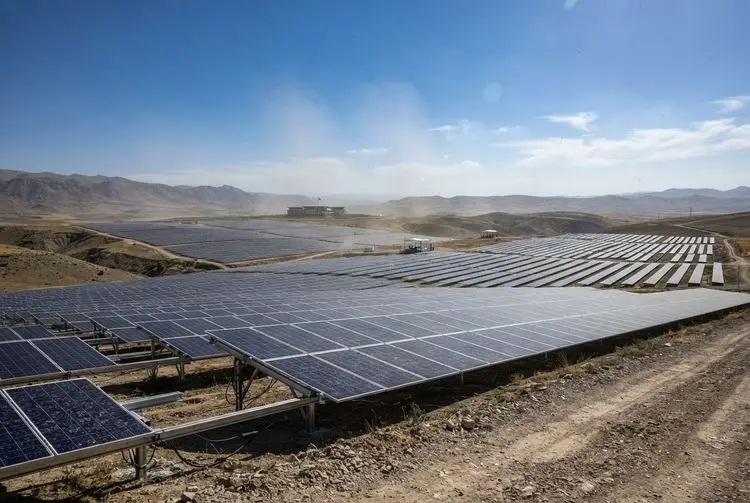
Turkey has awarded 785 megawatts of utility-scale solar capacity across 11 sites in nine provinces under its YEKA GES-2026 auction program. The results, announced November 3 by the Ministry of Energy and Natural Resources, come as the country prepares to host the COP31 United Nations climate summit in Antalya this November.
The auction drew 44 bids from 19 companies. Every site was awarded at the floor price of 3.25 euro cents per kilowatt-hour. Bidders competed not on electricity tariffs but on contribution fees pledged per megawatt of capacity. Total contribution pledges reached €31.585 million before value-added tax, or €37.9 million ($42.7 million) with 20% VAT included.
Under the YEKA framework, winners may sell electricity on the open market for 60 months from contract signing. After that merchant period, plants will deliver power to the transmission system for 20 years at the 3.25 euro cent rate. The ministry did not specify signing dates for the contracts.
Winners and Capacity Distribution
Egesa Enerji emerged as the largest winner, capturing 345 MW — 44% of the total round — across three sites: 200 MW in Diyarbakır, 120 MW in Mardin, and 25 MW in Batman. Temmuz Güneş Enerji secured 165 MW through Denizli (30 MW) and two Kahramanmaraş sites (85 MW and 50 MW). İş Enerji Yatırımları won 110 MW in Konya, while Ezel Mensucat Sanayi took 55 MW in Malatya with the highest per-megawatt pledge of the round.
Erser Grup Tarım and İklim Invest Enerji won Ankara's 40-MW and 30-MW sites respectively. Ecogreen Enerji secured 40 MW in Elazığ. The average site size was 71.4 MW, and the average contribution pledge before VAT was €40,236 ($45,334) per MW. Pledges ranged from a low of €12,000 per MW at Ankara-2 to a high of €91,000 per MW at Malatya-1.
The 785 MW awarded equals approximately 2.8% of Turkey's 28,222 MW of installed solar capacity as of the end of September. Solar now accounts for 22.2% of the country's 127,355 MW total generating capacity, second only to hydropower.
Parallel Wind Auction and Combined Investment
The solar round followed a separate YEKA RES-2026 wind auction held November 2, which allocated 1,500 MW across seven sites at 3.50 euro cents per kWh after 72 months of merchant sales. Combined, the wind and solar rounds allocated 2,285 MW at 18 sites. Energy Minister Alparslan Bayraktar said the two auctions are expected to bring $1.9 billion in new investment and generate 6.1 billion kWh annually.
The pricing structure in the current solar round mirrors the earlier 800-MW YEKA GES-2024 auction, where bids ran from a 5.50-US-cent ceiling down to a 3.25-US-cent floor before switching to contribution offers.
Solar Expansion in the Shadow of Coal
Turkey's solar growth is perhaps best symbolized by the Kalyon Karapınar YEKA-1 Solar Power Plant in Konya province, one of Europe's largest solar farms. Operational since 2023, the facility features more than 3 million solar panels spread across terrain equivalent to 2,600 soccer fields. According to plant director Burak Dogru, it generates enough electricity annually to meet about 0.7% of Turkey's power demand and prevents approximately 1.75 million metric tons of carbon emissions each year.
Yet the country's clean energy ambitions exist alongside a continued heavy reliance on coal. Turkey's Energy Ministry reports that coal remained the largest source of electricity generation last year at 33%, while solar and wind combined reached nearly 23%. Total greenhouse gas emissions in 2024, the most recent year for which data is available, reached 584.5 million metric tons of CO2 equivalent, according to the Turkish Statistical Institute.
Duygu Kutluay, a campaigner with the Beyond Fossil Fuels advocacy group, acknowledged Turkey has plans for a major renewable energy push but noted a critical gap. "These plans contain neither a roadmap for a coal phase-out, nor any planning for a phase-out of other fossil fuels, including gas," she said, adding that this is "not compatible" with Turkey's pledge to reach net-zero emissions by 2053.
Turkey is also pursuing nuclear power to reduce energy dependence, with its first plant under construction on the Mediterranean coast and additional reactors under consideration.
COP31 Context and Global Headwinds
The YEKA auction results come as Turkey prepares to host the COP31 summit from November 9-20 in Antalya, located approximately 265 kilometers (165 miles) from the Konya solar plant. The summit will bring together tens of thousands of delegates, world leaders, business representatives, and civil society organizations.
The gathering takes place against a backdrop of deepening energy security concerns and the Iran war, which has driven up gas and oil prices and prompted countries to scramble for energy supplies. The United States will again be absent from the summit after President Donald Trump withdrew the country from global climate negotiations.
The last two COP summits ended with little agreement on reducing emissions, with final texts not even mentioning fossil fuels. Turkey's environment and climate change minister, Murat Kurum, who will preside over COP31, has said he wants the summit to focus on turning climate commitments into action rather than setting new targets.
Industry Implications
For solar industry professionals and investors, Turkey's YEKA program represents a structured, government-backed pipeline for utility-scale development. The consistent floor pricing at 3.25 euro cents per kWh across all 11 sites suggests strong competition among developers willing to pay contribution fees for grid access. The 60-month merchant sales period offers winners flexibility to capitalize on market prices before entering long-term fixed-rate power delivery.
The combined 2,285 MW allocated across wind and solar in the two November auctions signals Turkey's intent to scale renewable capacity significantly. However, the absence of a fossil fuel phase-out roadmap — despite the country's net-zero by 2053 pledge — remains a point of contention among climate advocates and a potential source of scrutiny as Turkey takes the international stage at COP31.