
Permitting Reform Bill Aims to End Gridlock on US Energy Infrastructure
Bipartisan legislation over 400 pages targets NEPA and NHPA to speed up project approvals.
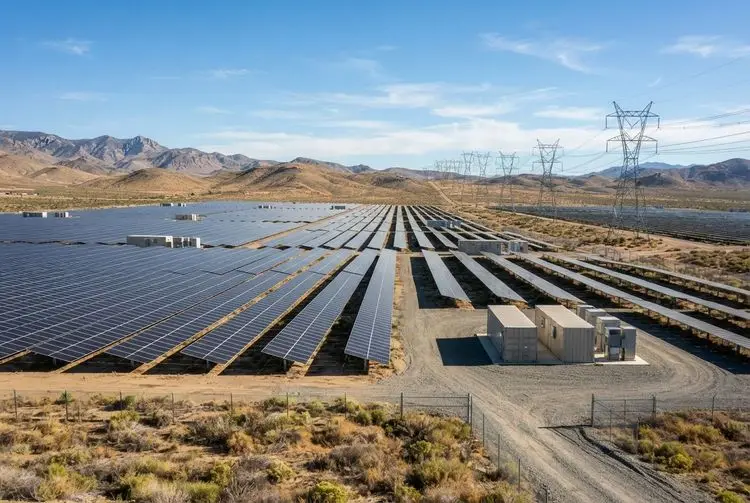
A bipartisan bill introduced in Congress this year could fundamentally reshape how solar and other energy projects get built in the United States. The American Affordability and Jobs Act of 2026, running over 400 pages, represents the largest permitting reform in a generation.
The legislation revises the National Environmental Policy Act (NEPA), signed into law in the 1960s, and the National Historic Preservation Act (NHPA), signed in the 1970s. These two laws have long governed the environmental review and cultural heritage assessment processes that energy developers must navigate before breaking ground.
For the solar industry, the stakes are high. Utility-scale solar farms, transmission lines and battery storage facilities all face lengthy permitting timelines under the current system. Developers routinely contend with delays, lawsuits and vetoes that can stall projects for years.
What the bill does — and does not do
The bill makes building energy infrastructure faster and simpler by removing procedural and legal obstacles. It does not, however, decide what gets built. The fight over which energy technologies and projects move forward would shift to elections and markets rather than the permitting process itself.
That distinction matters for solar professionals. The legislation is technology-neutral by design. It streamlines approval for all energy infrastructure, leaving the choice of what to build to project developers, utilities and the market.
The bill is an early test of whether Democrats — who won Senate seats in Kansas, Mississippi, South Carolina, Texas and Alaska — meant what they said when they ran on an all-of-the-above energy strategy. The party's electoral gains in traditionally Republican states suggest a broader coalition that may support pragmatic energy policies.
Uncertainty remains
Capitol Hill staff have given contradictory information on the same provisions of the bill, according to sources familiar with the legislative process. Large-scale legislation rarely plays out exactly as its architects expect, and the American Affordability and Jobs Act is no exception.
The author of the analysis behind these observations acknowledged the uncertainty. "I do not expect, in every case, that that would lead to outcomes I like. But leaving the system unchanged is a guarantee of calamity," the author said.
That sentiment reflects a growing consensus across parts of the political spectrum that the status quo is untenable. The current system, which allows opponents to delay projects through lawsuits and procedural challenges, has been described as a guarantee of calamity if left unreformed.
What it means for solar
For solar developers and investors, the bill could reduce the time and cost associated with environmental reviews under NEPA and historic preservation reviews under NHPA. Faster approvals would lower development risk and improve project economics.
However, the technology-neutral nature of the bill means that solar projects will compete on equal footing with other energy sources in the permitting process. The outcome will depend on market forces and policy decisions made through elections.
"The single most important climate policy going forward is for Democrats to win elections so that they have the power to set climate policy in the future," the author said.
That statement underscores the political reality behind the technical reforms. Permitting reform alone does not guarantee a specific energy mix. It creates a faster pathway for whatever projects developers choose to pursue.
Looking ahead
The American Affordability and Jobs Act of 2026 represents a significant departure from the regulatory framework that has governed energy infrastructure for decades. If enacted, it would mark the most substantial revision to NEPA and NHPA since those laws were originally passed.
For the solar industry, the key question is whether streamlined permitting will translate into more projects being built. The answer depends on market conditions, state-level policies and the outcome of future elections.
What is clear is that the legislative process is just beginning. With over 400 pages of text and conflicting interpretations emerging from Capitol Hill, the final shape of the bill remains uncertain. Solar industry stakeholders will be watching closely as the debate unfolds.